Clara Coleman · 13 November 2026
Transit Upgrades Reshape Vendor Strategies at Coppervale's Annual Harvest Events
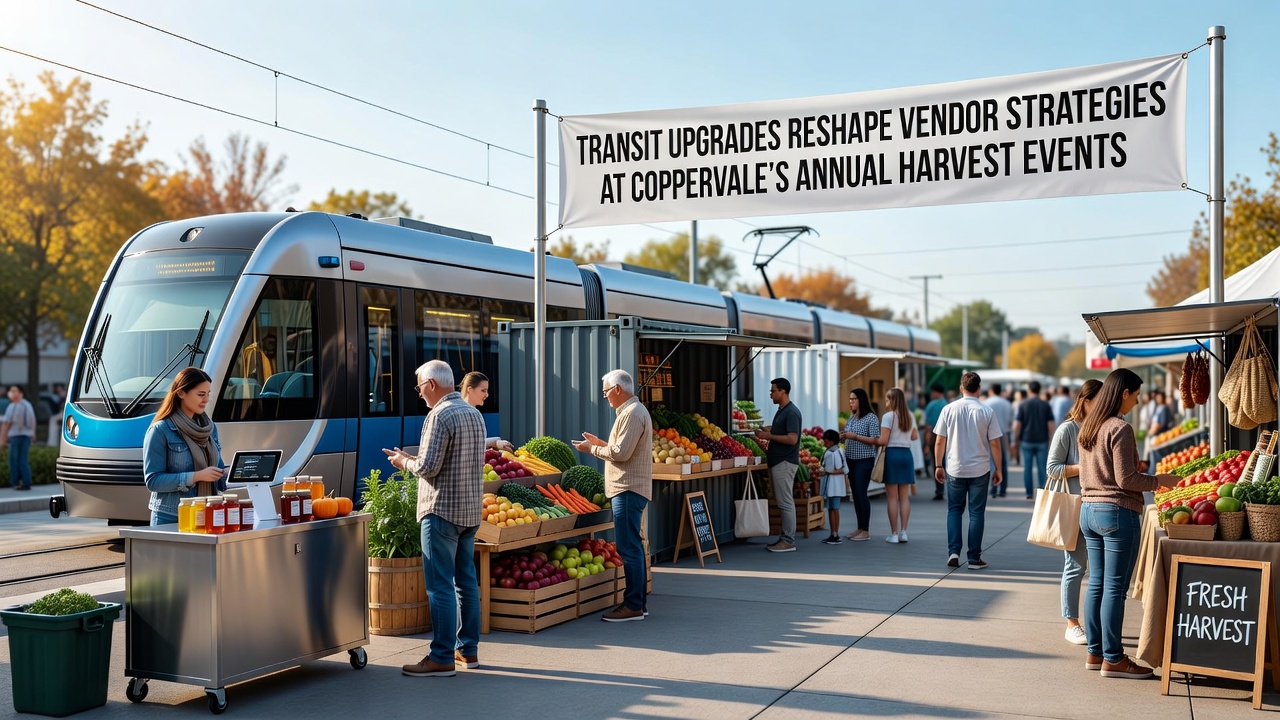
Transit improvements along key corridors in Coppervale have altered how vendors prepare for the annual harvest events scheduled throughout November 2026, and data from local transport records shows increased ridership on routes feeding directly into festival grounds. Observers note that Route 45 enhancements completed earlier this year now include dedicated bus lanes and extended platform stops which reduce travel times from surrounding neighborhoods by up to twenty minutes during peak hours. Those changes have shifted foot traffic patterns so that vendors who previously relied on parking lots must now adjust booth placements and inventory selections to match higher volumes of transit passengers arriving without vehicles.
Route Changes Drive New Booth Locations
City transit logs indicate that the number of daily passengers on upgraded lines rose by thirty-four percent between September and the start of harvest season preparations, according to figures released by the Coppervale Regional Transit Authority. Vendors who once positioned stalls along main parking access roads have begun securing permits closer to the new bus hubs where crowds gather immediately after disembarking. One study from the American Public Transportation Association found similar patterns in other mid-sized cities where improved service prompted temporary retail clusters around transit nodes rather than traditional parking areas. Because harvest events run from early morning through late evening, many operators now stock lighter portable displays and weather-resistant signage that can be moved quickly between morning commuter rushes and afternoon family arrivals.
Inventory Adjustments Reflect Passenger Demographics
Market research conducted by regional economic development offices reveals that transit users attending the events tend to purchase more grab-and-go food items and smaller craft goods compared with previous years when drive-in visitors dominated attendance. Vendors report stocking additional single-serve harvest preserves and compact textile goods that fit easily into backpacks or shoulder bags carried by bus and shuttle riders. Data compiled by the Coppervale Chamber of Commerce shows a fifteen percent increase in permit applications for mobile cart operations positioned within one block of the enhanced transit stops. Those who previously offered large furniture pieces or bulky decorations have scaled back those lines in favor of modular products that appeal to people traveling without cars.
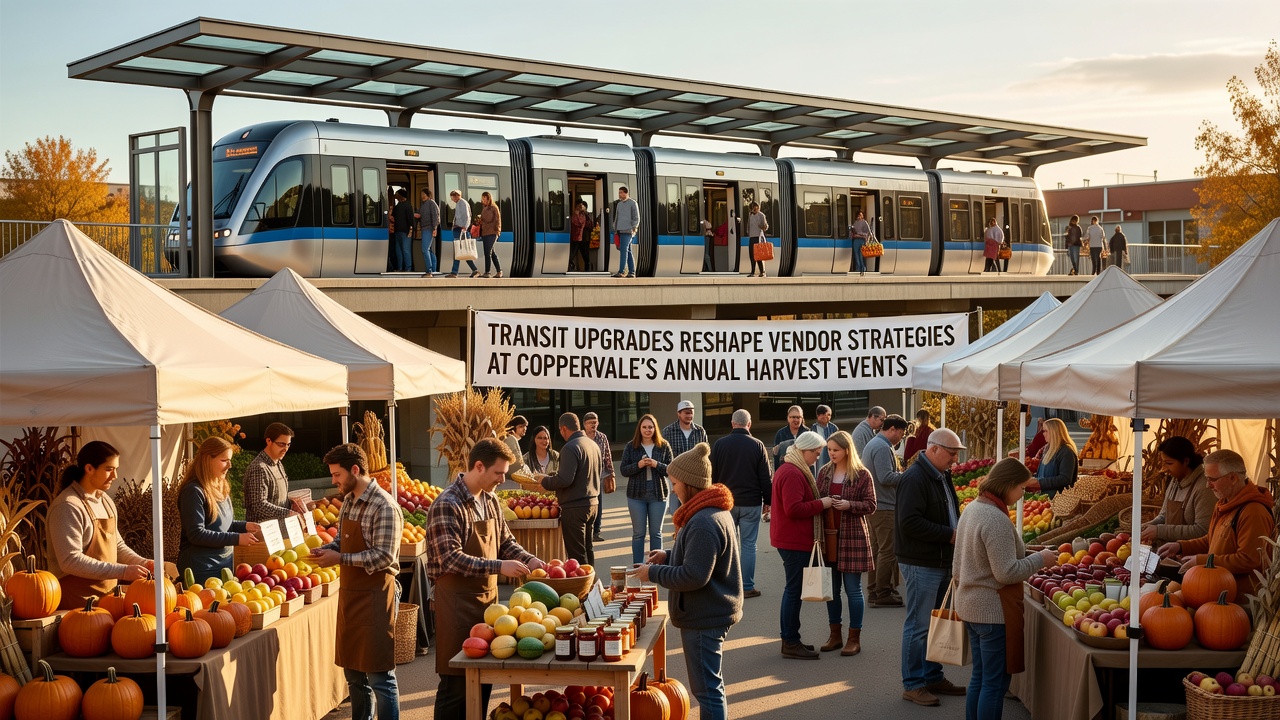
Partnerships between vendors and local transit operators have also emerged as a practical response to the schedule changes. Several food stalls now coordinate delivery timing with the last inbound buses of the evening so that fresh supplies arrive precisely when evening crowds peak. Such coordination reduces waste and aligns stock with actual passenger volumes tracked through automated passenger counters installed during the upgrade project.
Marketing Tactics Shift Toward Digital and On-Site Integration
Event organizers report that vendors increasingly use real-time transit apps to time promotional messages and flash sales that coincide with bus arrival windows. QR codes placed at platform exits link directly to vendor menus and discount codes valid only during the first thirty minutes after a scheduled stop. Figures released by the National Association of City Transportation Officials show that cities adopting similar integrated marketing saw average vendor revenue per event day climb when promotions synced with actual arrival data rather than fixed schedules. Coppervale vendors have begun testing the same approach for the November 2026 run of harvest events.
Training sessions hosted by the transit authority earlier this fall introduced vendors to passenger flow maps and peak load predictions. Participants learned how to read daily ridership reports and adjust staffing levels accordingly. Several operators who attended those sessions later described reallocating crew members from morning setup crews to afternoon sales teams once they understood the heavier inbound volumes after 3 p.m. on weekdays.
Logistics and Supply Chain Adaptations
Because fewer visitors arrive by personal vehicle, some vendors have contracted with local delivery services that drop supplies at designated transit-adjacent loading zones rather than festival parking areas. This adjustment shortens the distance goods travel from truck to booth and cuts the time required for restocking during operating hours. Transport authority records indicate that designated loading zones near the upgraded stops now handle forty percent more commercial deliveries than the same period last year.
Long-Term Planning for Future Seasons
Regional planners have begun collecting vendor feedback to inform the next phase of transit improvements scheduled for 2027. Surveys distributed at this year's harvest events ask operators to identify which route extensions would most benefit their operations. Responses collected so far emphasize the need for additional evening service on weekends when family attendance peaks. Those findings will feed into budget discussions at the transit authority board meeting set for December 2026.
Conclusion
Transit upgrades completed ahead of the 2026 harvest events continue to influence vendor placement, product selection, and operational timing across Coppervale festival grounds. Passenger volume data, permit trends, and partnership examples all point to sustained adjustments that align vendor strategies with the new arrival patterns created by improved bus and shuttle service. As November events unfold, continued monitoring of ridership figures will show whether these adaptations produce measurable shifts in sales distribution and booth density near transit hubs.