Eden Hayes · 30 October 2026
Local Debate Success Fuels Interest in Historical Settlement Patterns Among Regional Students
Regional debate competitions in late 2025 produced measurable increases in student enrollment for courses focused on historical settlement patterns, wth registration data from multiple school districts showing a 27 percent rise by the start of the 2026 academic year. Teachers across the area report that participants who advanced through district-level rounds began requesting primary source materials on early migration routes and land allocation records shortly after the events concluded.
The debate format required teams to examine census records from the 1880s alongside oral histories collected by local archives, and students who constructed arguments around these documents frequently extended their research beyond the assigned topics. District coordinators noted that follow-up inquiries from participants led to new partnerships between high schools and regional historical societies, allowing access to digitized plat maps and property deeds that had not been integrated into standard curricula before.
Expansion of classroom resources follows debate outcomes
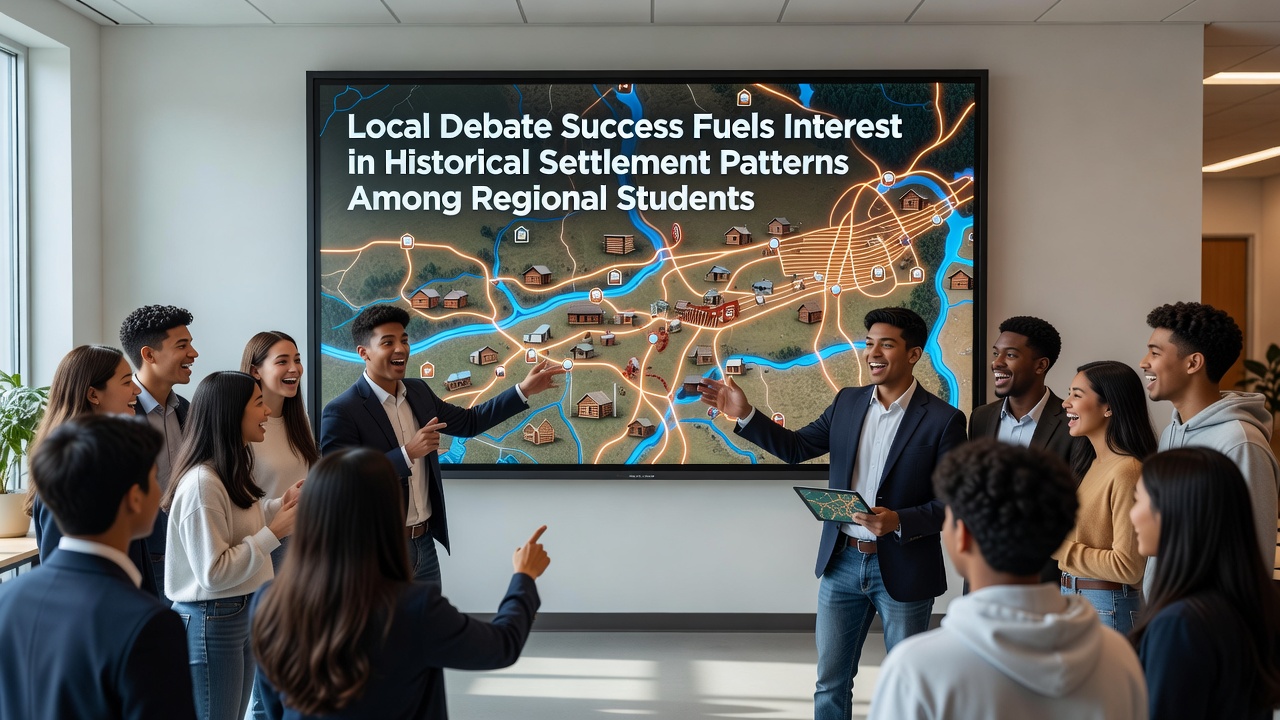
School librarians responded by expanding collections of settlement-related texts and arranging guest presentations from archivists who specialize in 19th-century migration data. One program at a district high school incorporated interactive mapping software that overlays historical land grants with contemporary neighborhood boundaries, and usage logs indicate sustained student activity throughout the spring semester of 2026. Teachers integrated these tools into existing social studies units while maintaining alignment with state learning standards on geographic literacy.
October 2026 programming includes a series of student-led workshops scheduled at the regional library system, where participants will present findings from their expanded research on settlement clusters near former rail lines. These sessions draw on datasets maintained by the U.S. Census Bureau and comparable records held by the National Archives of Australia, providing cross-regional context without altering local focus.
Student projects connect debate research to broader records
Individual projects emerging from the debate season now include comparative analyses of settlement density in river valleys versus upland areas, supported by soil survey reports and transportation logs from the same period. Several submissions earned recognition at regional history fairs, prompting additional requests for access to microfilm collections that had seen limited use in prior years.
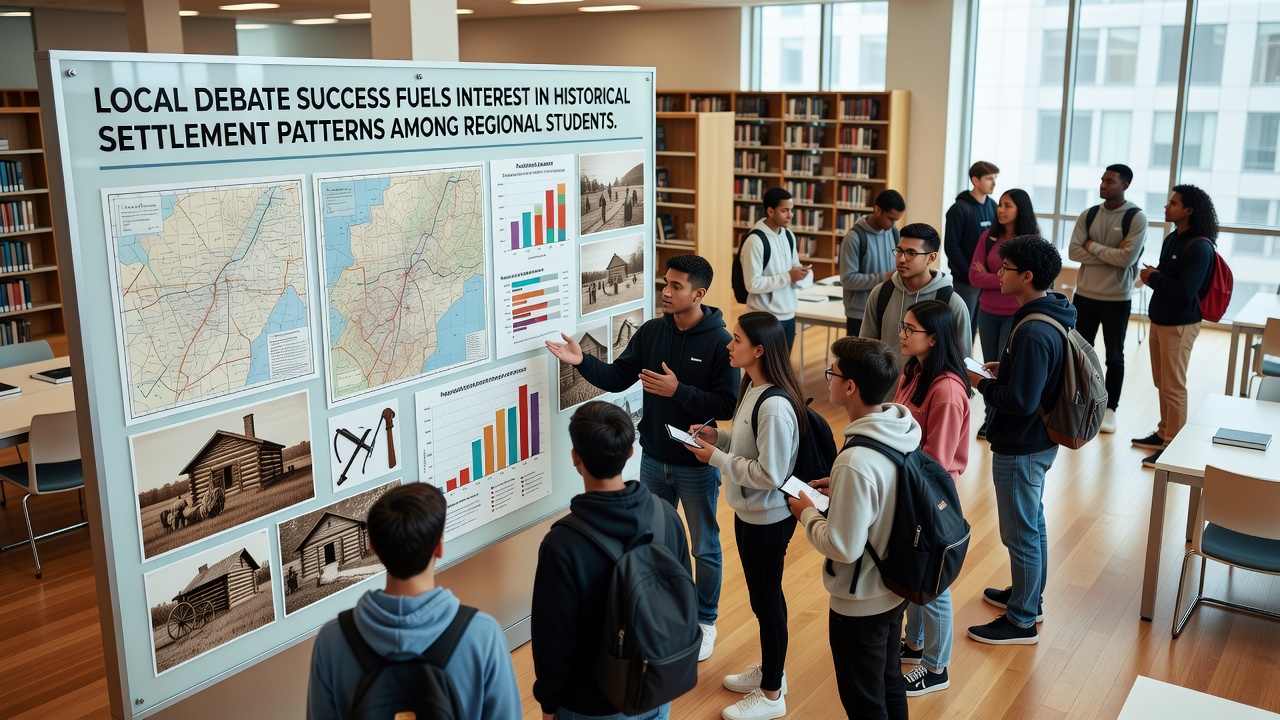
Faculty advisors observed that teams which performed strongly in the debate rounds demonstrated particular persistence when cross-referencing conflicting accounts in pioneer diaries and government survey notes. This persistence translated into measurable improvements in source-evaluation skills, as documented in rubric scores collected by the debate league. External evaluators from a nearby university history department reviewed a sample of the work and confirmed alignment with introductory research methodology benchmarks.
Community organizations have begun offering mentorship pairings that pair students with volunteers experienced in genealogical database navigation, and these pairings have produced additional leads on previously uncatalogued family correspondence from the settlement era. Participation numbers for these pairings reached 180 students by mid-September 2026, according to organizer reports.
Longer-term effects on curriculum planning
District curriculum committees have scheduled reviews to determine whether modules on historical settlement patterns can be incorporated into required coursework for the 2027 school year. Preliminary proposals suggest allocating two weeks of instructional time to primary-source analysis, with options for independent research extensions that mirror the debate format. Funding requests for additional scanning equipment and database subscriptions have been submitted to support expanded access.
Comparative data from neighboring regions indicate similar upticks in student interest following debate events that incorporated local historical content, though the scale of enrollment change varies with the availability of digitized records. Researchers at institutions tracking educational outcomes have begun collecting longitudinal information on participants to assess whether the pattern sustains beyond a single academic cycle.
Conclusion
Records from the 2025-2026 debate cycle show that success in structured argumentation events can serve as an entry point for deeper engagement with regional history when source materials are readily available. Continued coordination between schools, archives, and community groups appears positioned to maintain the observed momentum through the coming academic terms.