Mara Griffin · 2 October 2026
Coppervale Retailers and Transit Authority Form Marketing Alliance After Route 45 Upgrades
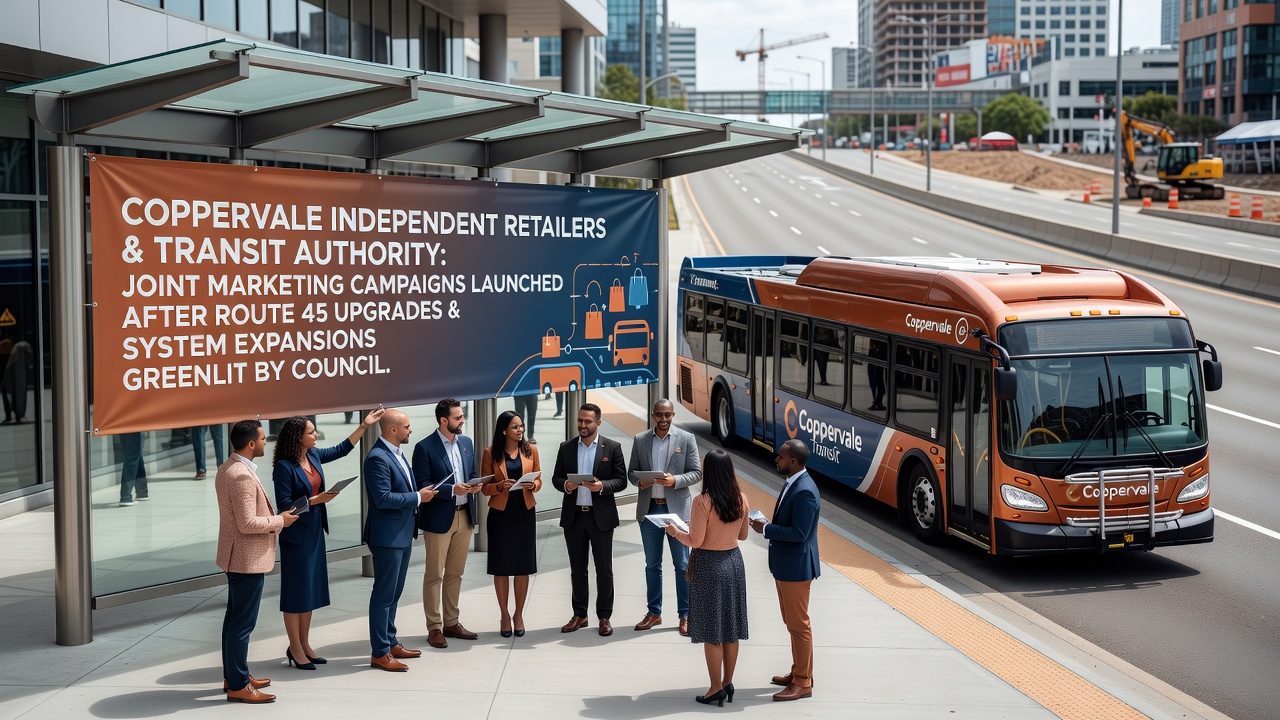
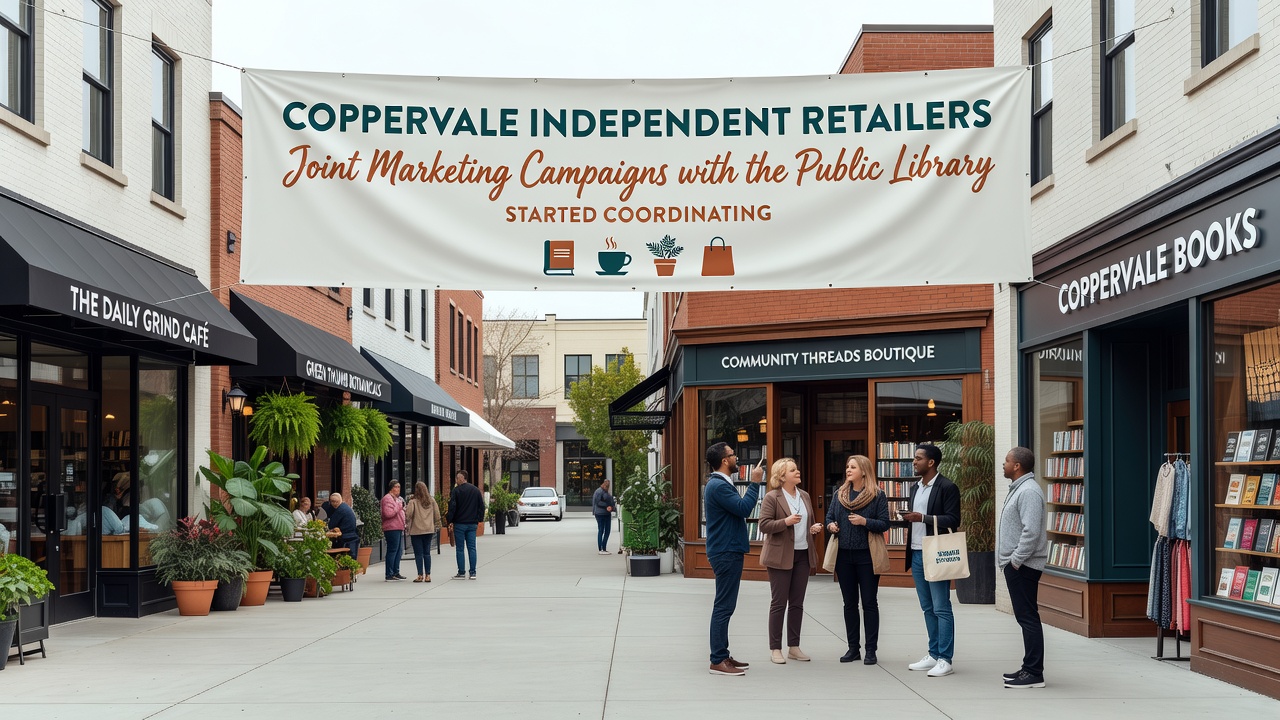
Coppervale's independent retailers have begun coordinating joint marketing campaigns with the public transit authority, and this effort took shape after the council approved system expansions along with highway upgrades on route 45, with the first coordinated promotions scheduled to roll out in October 2026. The initiative brings together small business owners who operate along key corridors and transit planners who seek to boost ridership while supporting local commerce through shared promotional efforts.
Background on the Council Decision
The council greenlit the expansions earlier in the year, and those approvals included increased bus frequency on several routes plus dedicated lanes on route 45 that connect downtown retail districts with growing residential areas. Observers note that the upgrades aim to reduce congestion while improving access to shopping zones, and data from similar projects in other regions shows measurable upticks in foot traffic once transit improvements stabilize. Retailers responded by reaching out to the transit authority to align advertising around the new infrastructure rather than competing individually for attention.
How the Joint Campaigns Developed
Meetings between retailer associations and transit officials started shortly after the council vote, and participants mapped out shared themes that highlight both convenient bus access and the unique offerings of local stores. Campaigns feature co-branded posters on buses, digital ads on transit apps, and pop-up events at key stops where shoppers receive discounts tied to transit tickets. Those who've studied this know that integrated promotions like these often extend the reach of smaller retailers who lack budgets for standalone advertising, while transit systems gain visibility as practical options for daily errands.
One study revealed that partnerships between retail groups and transit agencies in comparable mid-sized communities produced sustained increases in both sales and ridership over twelve-month periods. The Coppervale effort incorporates elements from those models, such as seasonal bundles that promote weekend market visits via bus passes and targeted messaging around holiday shopping in October 2026.
Details of the Route 45 Improvements
Highway upgrades on route 45 include widened lanes, new signal timing, and additional bus shelters equipped with real-time arrival displays, while system expansions add two new routes that feed directly into retail clusters. Figures reveal that construction timelines place major work completion ahead of the October 2026 campaign launch, allowing retailers and transit staff to test messaging during softer rollout phases. Experts have observed that such synchronized timing helps avoid the confusion that sometimes arises when infrastructure changes and marketing messages appear out of sync.
Take one researcher who tracked similar projects across North American cities and found that coordinated approaches reduced the typical lag between infrastructure readiness and public adoption. In Coppervale the joint campaigns will emphasize route maps that double as store directories, along with loyalty programs where transit users accumulate points redeemable at participating independent shops.
Broader Context and Supporting Data
According to reports from the Canadian Urban Transit Association, integrated retail-transit promotions have supported economic activity in corridor communities by drawing consistent visitor flows without requiring large individual marketing spends from each business. Those reports also note that highway-adjacent retail areas benefit when transit options reduce parking pressure and encourage repeat visits from nearby neighborhoods. The Coppervale initiative mirrors this pattern by focusing on Route 45 as a primary artery that now connects more efficiently to both residential zones and commercial nodes.
What's interesting is how the timing aligns with seasonal retail peaks, since October 2026 campaigns can capture early holiday planning while the upgraded infrastructure handles increased volumes. Data shows that communities with synchronized transit and retail messaging experience steadier foot traffic even during shoulder seasons compared with areas that treat the two separately.
Looking Ahead
Implementation continues through the coming months, and transit authority representatives have indicated they will monitor ridership metrics alongside retailer sales reports to refine future phases. The model may expand to additional corridors if initial results on Route 45 demonstrate the expected alignment between improved access and coordinated promotion. Observers note that the approach provides a template for other independent business districts facing similar infrastructure changes, since it leverages existing transit networks rather than requiring entirely new promotional structures.
Future phases could incorporate additional digital tools and cross-promotions with nearby residential developments, while maintaining the core focus on Route 45 as the connective spine. teh October 2026 launch serves as the first major test of whether these coordinated efforts deliver measurable benefits across both the retail and transit sides of the equation.